Do you ever wonder why do I get sick, have fever, loss of appetite?
Sometimes you are unable to taste that delicious favourite meal you prepared and you ask yourself the question is it normal? Well the answer to that question is it’s normal. It’s just your immune system doing it’s job by fighting against bacteria and viruses infection which appears to be uninvited strangers in your system causing cold, flu, etc. This immune system of yours fight against infections to prevent you from illness. When you have high immunity it is very rare for you to become sick.
What exactly is this immune system I am talking about ?
Your immune system is a defence system that prevents your body from housing unwanted bacteria and viruses that will later developed to cause illness. Your immune system detects from virus, bacterias to parasites. They also known as pathogens which makes the immune system function properly in separating from your own healthy tissues. When your immune system comes in contact with this pathogens, it develops what is known to be immune response to it which further enables it to differentiate your tissue from the foreign tissue and clearing it away (foreign tissue).
I know you are wondering what is immune response?
I know you are curious to know about the immune response, don’t worry we will talk about it but before we discuss it let’s talk about the powerhouse of the immune system which the white blood cell. Yah the white colour you know.
Let’s talk about the blood in your body.
The blood flowing in you is a fluid that transports oxygen and nutrients to the cells and carries away carbon dioxide and other waste products in your body.
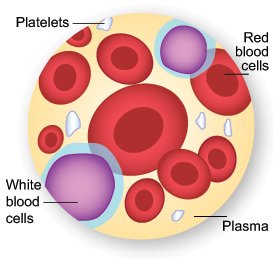
You see the blood flowing within you is divided into three types which are namely;
- Red Blood Cells which helps with the circulation of oxygen. I mean it carries oxygen to every parts and organ in your body.
- Platelets which help the blood to clot (thicken or solidified). Have you ever wondered why your blood becomes thicken when you have an injury or cut, well that is because Mr platelet known as thrombocyte is stopping blood from flowing out of your body.
- White Blood Cells also known as leukocytes alias “ward off infection”. They protect your body against disease and foreign tissues. They are vital to your immune system. When your body is fighting off infection, they begin to multiply and send signals to other cell type to do the same.
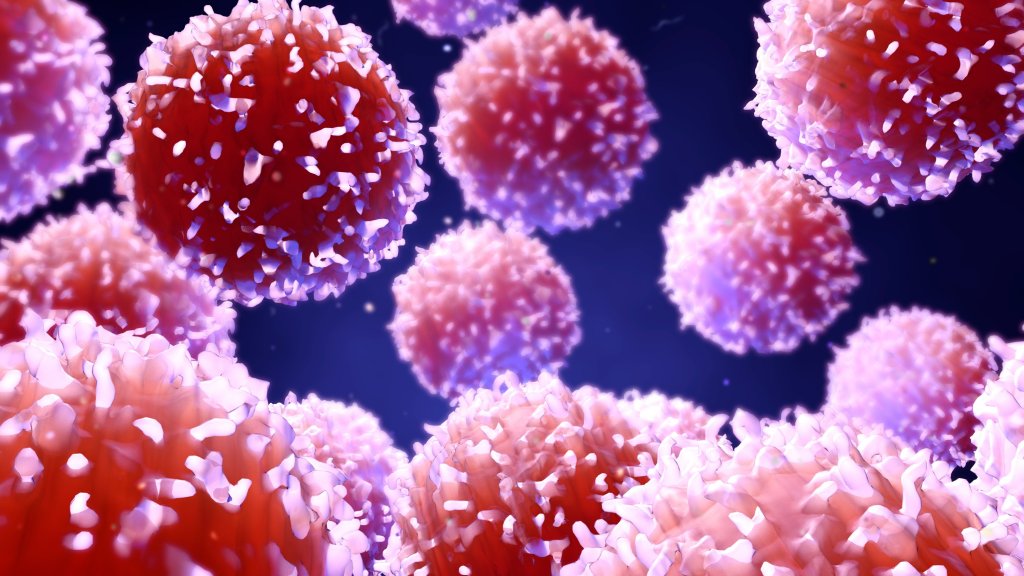
This white blood cells are stored in different places in your body which are called lymphoid organs. These include the following:
• Thymus — a gland between the lungs and just below the neck.
• Spleen — an organ that filters the blood. It sits in the upper left of the abdomen.
• Bone marrow — found in the centre of the bones, it also produces red blood cells.
• Lymph nodes —small glands positioned throughout the body, linked by lymphatic vessels.
There are two main types of leukocyte:
- Phagocytes
These cells surround and absorb pathogens and break them down, effectively eating them. There are several types, including:
• Neutrophils — these are the most common type of phagocyte and tend to attack bacteria.
• Monocytes — these are the largest type and have several roles. They are called attackers.
• Macrophages — these patrol for and also remove dead and dying cells.
• Mast cells — they have many jobs, including helping to heal wounds and defend against pathogens. - Lymphocytes
Lymphocytes help your body to remember previous invaders and recognize them if they come back to attack again.
Lymphocytes begin their life in bone marrow. Some stay in the marrow and develop into B lymphocytes (B cells), others head to the thymus and become T lymphocytes (T cells). These two cell types have different roles:
• B lymphocytes — they produce antibodies and help alert the T lymphocytes.
• T lymphocytes — they destroy compromised cells in the body and help alert other leukocytes.
How the Immune System Work
When your body senses foreign substances (called antigens), your immune system works to recognize the antigens and get rid of them.
B lymphocytes are triggered to make antibodies. These specialized proteins lock unto specific antigens. The antibodies stay in your body. That way, if your immune system encounters that antigen again, your antibodies are ready to do their job. That’s why someone who gets sick with a disease, like chickenpox, usually won’t get sick from it again.
This is also how immunizations (vaccines) prevent some diseases. An immunization introduces your body to an antigen in a way that doesn’t make you sick. But it does let your body make antibodies that will protect the you from future attack by the germ.
Although antibodies can recognize an antigen and lock unto it, they can’t destroy it without help. That’s the job of your T cells. They destroy antigens tagged by antibodies or cells that are infected or somehow changed. (Some T cells are actually called “killer cells.”) T cells also help signal other cells (like phagocytes) to do their jobs.
Antibodies also can:
• neutralize toxins (poisonous or damaging substances) produced by different organisms
• activate a group of proteins called complement that are part of the immune system. Complement helps kill bacteria, viruses, or infected cells.
These specialized cells and parts of your immune system offer your body protection against disease. This protection is called immunity.
As humans you have three types of immunity — innate, adaptive, and passive:
• Innate immunity: Everyone is born with innate (or natural) immunity, a type of general protection. For example, your skin acts as a barrier to block germs from entering your body. And your immune system recognizes when certain invaders are foreign and could be dangerous.
• Adaptive immunity: Adaptive (or active) immunity develops throughout our lives. This type of immunity occurs or develops when you are exposed to diseases or when you are immunized against them with vaccines.
• Passive immunity: Passive immunity is “borrowed” from another source and it lasts for a short time. For example, antibodies of a treated patient from infectious disease can be used to treat another patient exposes to the same disease infection.
Immunizations
Immunization is act of introducing antigens or weakened pathogens to your body in a way that you do not become sick but still produces antibodies. Because your body saves copies of these antibodies, you are protected if the threat should reappear later in life.
Immune system disorders
Because your immune system is complex, there are many potential ways in which it can go wrong. Types of immune disorder fall into three categories:
Immunodeficiencies
These arise when one or more parts of your immune system do not function. Immunodeficiencies can be caused in a number of ways, including age, lifestyle (i.e obesity, alcoholism, smoking etc.). In developing countries, malnutrition is a common cause. AIDS is an example of an acquired immunodeficiency.
In some cases, immunodeficiencies can be inherited, for instance, in chronic granulomatous disease (like tuberculosis) where phagocytes do not function properly.
Autoimmunity
In autoimmune conditions, your immune system mistakenly targets healthy cells, rather than foreign pathogens or faulty cells. In this scenario, they cannot distinguish self from non-self.
Autoimmune diseases include celiac disease, type 1 diabetes, rheumatoid arthritis, and Graves’ disease.
Hypersensitivity
With hypersensitivity, your immune system overreacts in a way that damages healthy tissue. An example is anaphylactic shock where the body responds to an allergen so strongly that it can be life-threatening.
How To Boost your immune system
• Avoid smoking
• Eat a diet high in fruits and vegetables.
• Exercise regularly.
• Maintain a healthy weight.
• If you drink alcohol, drink only in moderation.
• Get adequate sleep.
• Take steps to avoid infection, such as washing your hands frequently and cooking meats thoroughly.
• Try to minimize stress.
Some Foods That Can Boost The Immune System
Boosting your immune system requires you to have a diet rich in fruits and vegetables. They contain vitamins which fuels your immune system with enough energy that it needs to function properly. Eating the following foods may help to boost the immune system:
Blueberries

Blueberries contain a type of flavonoid called anthocyanin, which has antioxidant properties that can help boost a person’s immune system. A 2016 study noted that flavonoids play an essential role in the respiratory tract’s immune defence system.
Researchers found that people who ate foods rich in flavonoids were less likely to get an upper respiratory tract infection, or common cold, than those who did not.
Dark chocolate

Free radicals are molecules that the body produces when it breaks down food or comes into contact with pollutants. Free radicals can damage the body’s cells and may contribute to disease.
Despite its potential benefits, dark chocolate is high in calories and saturated fat, so it is important to eat it in moderation.
Tumeric

According to a 2017 review, curcumin has antioxidant and anti-inflammatory properties
Oily Fish

Report has it that long-term intake of omega-3 fatty acids may reduce the risk of rheumatoid arthritis (RA).
Broccoli

Sweet potatoes

Beta carotene is a source of vitamin A. It helps to make skin healthy and may even provide some protection against skin damage from ultraviolet (UV) rays.
Spinach

• flavonoids
• carotenoids
• vitamin C
• vitamin E
• Vitamins C and E can help support the immune system.
Research also indicates that flavonoids may help to prevent the common cold in otherwise healthy people.
Ginger

Garlic

One review looked at whether taking garlic supplements containing allicin reduced the risk of getting a cold.
The group of participants taking a placebo had more than double the number of colds between them than those taking the garlic supplements. However, the researchers concluded that more research is necessary to determine whether or not garlic can help to prevent colds.
Green tea

Like with blueberries, green tea contains flavonoids, which may reduce the risk of a cold.
Kefir or yogurt

Kefir is a fermented drink that contains live cultures of bacteria that are beneficial for health.
Initial research suggests that drinking kefir may boost the immune system. According to a 2017 review, various studies have shown that regular consumption of kefir can help with:
• fighting bacteria
• reducing inflammation
• increasing antioxidant activity
The majority of the research that supports this was carried out on animals or in a laboratory. Researchers need to perform additional studies to understand how kefir may prevent disease in humans.
Sunflower Seeds

In the same way as other antioxidants, vitamin E improves immune function. It does this by fighting off free radicals, which can damage cells.
Almonds

A small handful or a quarter of a cup of almonds is a healthful snack that may benefit the immune system.
Oranges or kiwifruits

While scientists are still not sure exactly how it helps, vitamin C may reduce the duration of common cold symptoms and improve the function of the human immune system.
Red bell pepper

Stir-frying and roasting both preserve the nutrient content of red bell peppers better than steaming or boiling, according to a study on cooking methods.
 Site Title